
• (+86)21 80399582-801
  • Emergency Industrial Park,Wenzhou, Zhejiang , CN
  • tech.sales@leadingtec.cn

Tag: algae

Microalgal bio-based plastic products, do you understand?
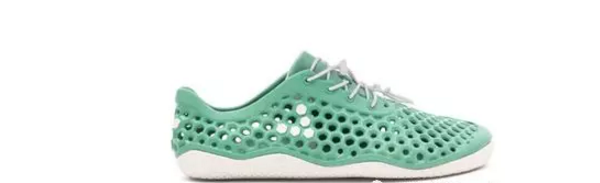
“The reduction of carbon dioxide emissions and the use of renewable resources are common topics that the world is advocating. Bio-based plastics come from biological resources, can reduce the use of oil, have the advantages of low-carbon, environmental protection, and environmental friendliness. It seems that “universal” Where micro-algae have their presence, micro-algae-based bio-plastics and their products have also come out.” 1 Bioplastic mixed with microalgae and resin In 2017, the British company VivoBareFoot (a footwear manufacturer) and BLOOM (a manufacturer…

Harvesting Neochloris oleoabundans using commercial organic flocculants

Graphical abstract

Microalgal cultures are inherently dilute, and increasing their concentration is essential for volume reduction and further processing. Flocculation is a classical operation in water treatment that is also used as a concentration step in microalgal biotechnology. However, flocculation is highly dependent on the physicochemical characteristics of the system, such as cell charge and concentration, pH, and solutes in the system, and the coagulant or flocculant to be used. This paper describes the efficiency of nine flocculating agents applied to Neochloris…

Protective effects of astaxanthin on a combination of D-‍galactose and jet lag-induced aging model in mice

Haematococcus Pluvialis

Oxidative stress caused free radical and mitochondrial damage plays a critical role in the progression of aging and age-related damage at the cellular and tissue levels. Antioxidant supplementation has received growing attention and the effects of antioxidant on aging are increasingly assessed in both animal and human studies. However, additional and more promising treatments that contribute to the expansion of anti-aging therapies are needed. Astaxanthin, a super antioxidant carotenoid and free radical scavenger, inhibits lipid peroxidation more potently than vitamin…

Arthrospira (Spirulina) platensis supplementation affects folliculogenesis, progesterone and ghrelin levels in fattening pre-pubertal gilts

Spirulina platensis

The aim of the present investigation was to study the effect of Arthrospira (Spirulina) platensis supplemented diet on follicular development and related endocrine parameters, such as estradiol and progesterone levels as well as ghrelin levels in pre-pubertal gilts. Twenty-one 60-day-old Danube White gilts, randomly divided in three groups—control and two experimental—were involved in the experiment. The diet of experimental animals was supplemented with 2 and 3 g of dry biomass/capita daily of the micro alga A. platensis (SP), respectively, during 120 days.…

Evaluation of green seaweed Ulva sp. as a replacement of fish meal in plant-based practical diets for Pacific white shrimp, Litopenaeus vannamei

Ulva

A growth trial and a digestibility trial were conducted to evaluate seaweed Ulva sp. as a substitution for fish meal (FM) in commercial-type feed formulation for Pacific white shrimp, Litopenaeus vannamei. Towards this goal, the 6-week growth trial utilized increasing levels (0, 6.35, 12.7, 19.05, and 25.4%) of the first batch of Ulva meal (UM1) to replace up to 8% FM in a plant-based feed formulation. At the end of the growth trial, shrimp offered diets containing 12.7, 19.05, and…

The potential of fucoidans from Chnoospora minima and Sargassum polycystum in cosmetics: antioxidant, anti-inflammatory, skin-whitening, and antiwrinkle activities

Sargassum

Over the years, bioactive and biocompatible natural products have received increased attention as ingredients of cosmeceutical formulations owing to their robust properties compared to many of the synthetic chemicals in use. Many natural products derived from algae have shown promising cosmetizing properties. Seaweed polysaccharides, in particular, have received increased attention for their biofunctional and physicochemical characteristics. This study aimed to design a cost-effective strategy to purify fucoidans from the untapped brown algae Chnoospora minima (CMF) and Sargassum polycystum (SPF) harvested…

Microalgae shows potential as part of salmon diet

Nannochloropsis sp.

Microalgae are promising alternatives to fishmeal but their limited availability and high price prevent feed industry from using them, according to a Norwegian study. A research team led by Professors Kiron Viswanath and Mette Sørensen of Biosciences and Aquaculture at Nord University in Bodø, Norway conducted a number of studies to investigate the potential of microalgae in diets for salmon.One of the studies found that defatted biomass from Nannochloropsis sp, a genus of microalga, can be included at modest volume…

Ulvan extracted from green seaweeds as new natural additives in diets for laying hens

Ulva

Ulvan extracted from the green seaweed Ulva was added in laying hen diets. The effect of ulvan on laying performance, egg quality, immunity function, and antioxidant capacity was evaluated using Hy-Line Brown hens. Six groups of birds (n = 864, 61 weeks old) were fed on the basal diet containing ulvan at 0, 0.05, 0.1, 0.5, 0.8, and 1% for 8 weeks. The results were compared with the control group. Ulvan at concentrations of 0.1 to 1% can significantly improve the egg production (P < 0.05),…

Effect of microalgae hydrolysate foliar application (Arthrospira platensis and Scenedesmus sp.) on Petunia x hybrida growth

GY-D13 Scendesmus obliquus

In horticultural practice accelerated plant development and particularly earlier flowering, has been reported with microalgae applications. Therefore, the objective of this work was to study the effects of foliar spraying with Scenedesmus sp. and Arthrospira platensis hydrolysates on Petunia x hybrida plant development and leaf nutrient status. Three treatments were tested: T1 (foliar application with water, the control), T2 (foliar application with Arthrospira), and T3 (foliar application with Scenedesmus). Foliar spraying was applied five times (0, 14, 28, 35, and…

Polysaccharides extracted from Moroccan seaweed: a promising source of tomato plant growth promoters

Codium decorticatum

The present study investigates the use of seaweed polysaccharides as biostimulants of seed germination and plant growth. Seventeen species of Moroccan seaweeds were collected and screened for their crude polysaccharide content which ranged from 0.3 to 34% (dry weight basis). Chemical analyses of the obtained polysaccharide-enriched extracts (PEEs) were performed. Two bioassays were carried out to study seed germination and growth-promoting activity of PEEs. In the first experiment, the effect of PEEs on tomato seed germination was carried out under…