
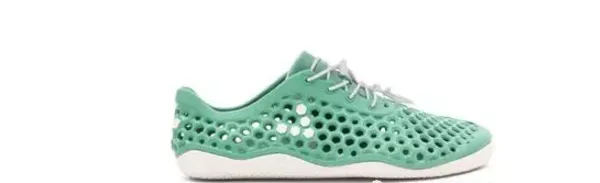
“The reduction of carbon dioxide emissions and the use of renewable resources are common topics that the world is advocating. Bio-based plastics come from biological resources, can reduce the use of oil, have the advantages of low-carbon, environmental protection, and environmental friendliness. It seems that “universal” Where micro-algae have their presence, micro-algae-based bio-plastics and their products have also come out.”
1 Bioplastic mixed with microalgae and resin
In 2017, the British company VivoBareFoot (a footwear manufacturer) and BLOOM (a manufacturer of microalgae bioplastics) in the United States have collaborated for the first time to produce shoes made of microalgal bioplastic foam. Currently, in the official website of VivoBareFoot, shoes made of microalgae bioplastic material are priced at 139.95 US dollars (about 881 yuan).
In the same year, BLOOM and US-based Surftech (a well-known manufacturer of surfing and sports equipment) reached a cooperation to use microalgae bioplastics to make environmentally friendly surfboards to reduce the use of petrochemical-based plastics and reduce environmental pollution, especially in the marine environment. Pollution of plastic waste in China. The surfboard is planned to be sold in 2018.
So how do you turn microalgae into plastic?
In simple terms, microalgae contain a large amount of protein, which is a polymeric chain composed of amino acids. When thermomechanical forces are applied, proteins denature and deform and stretch along the direction of mechanical forces. Therefore, first, microalgae is mixed with a thermoplastic resin, and when the mixture is subjected to high temperature extrusion by the machine, the protein is denatured, and the microalgae and the resin are extended along the stress direction and bound together.
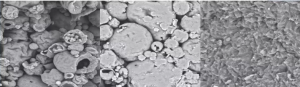
In the process of thermomechanical addition, microalgae cells fuse together (from left to right)
Currently, the microalgae content in microalgal bioplastic foam produced by BLOOM and its partner Algix is generally around 50%, and the resin content is also around 50%. According to reports, the microalgae in the company’s microalgal bioplastics are not obtained through culture, but are naturally grown microalgae collected from lakes, rivers, and ponds through specially developed microalgae harvesting equipment (including hydration The large amount of microalgae produced). In order to achieve the natural environment of water purification, waste biological resources utilization, while reducing production costs.
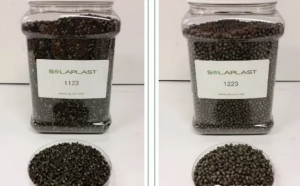
Algix Algae-Polypropylene Homopolymer Plastics and Algae-Polypropylene Plastics
2 Micro algae oil synthesis bioplastic
In 2015, the University of California, San Diego, Arctic Foam and Solazyme worked together to develop a brand new surfboard. Its main material, polyurethane, is synthesized from algal oil. The microalgae are rich in oils and fats, which can be extracted from the oils of the algae cells and then converted into polyols, and then mixed with silicates and catalysts to synthesize the polyurethane expanded foams.

Polyurethane Expanded Foam
3 Microalgal cells synthesize bioplastics
Polyhydroxybutyrate (PHB) is a biodegradable plastic material that is currently obtainable by microbial fermentation. Some researchers have introduced key enzymes for the synthesis of PHB in microorganisms into Phaeodactylum tricornutum and succeeded in synthesizing PHB in the algal cells. However, compared with microbial fermentation methods, the efficiency of PHB synthesis using microalgae is currently relatively low. Further research is conducted to increase production efficiency.

Electron microscopy of algal cells (normal algal cells on the left, algae cells producing PHB in the middle and right, and white particles, PHB)
At present, the use of mixed bio-plastics of microalgae and resins has commercial application value both in terms of technology and economy, while the latter two – algae oil synthesis polyurethane and algae cells themselves synthesizing PHB technically There is a certain degree of feasibility, but in terms of economy, there is still a big gap from the commercial application.


