
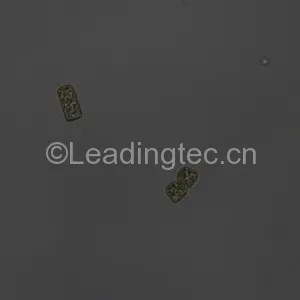
In that microscopic world, there is hidden a kind of magical and glittering “pearl” – the Cosmarium micraster. It is a single-celled organism. Under the microscope, its cellular morp […]…
Guangyu presents to you – Stars in the Water
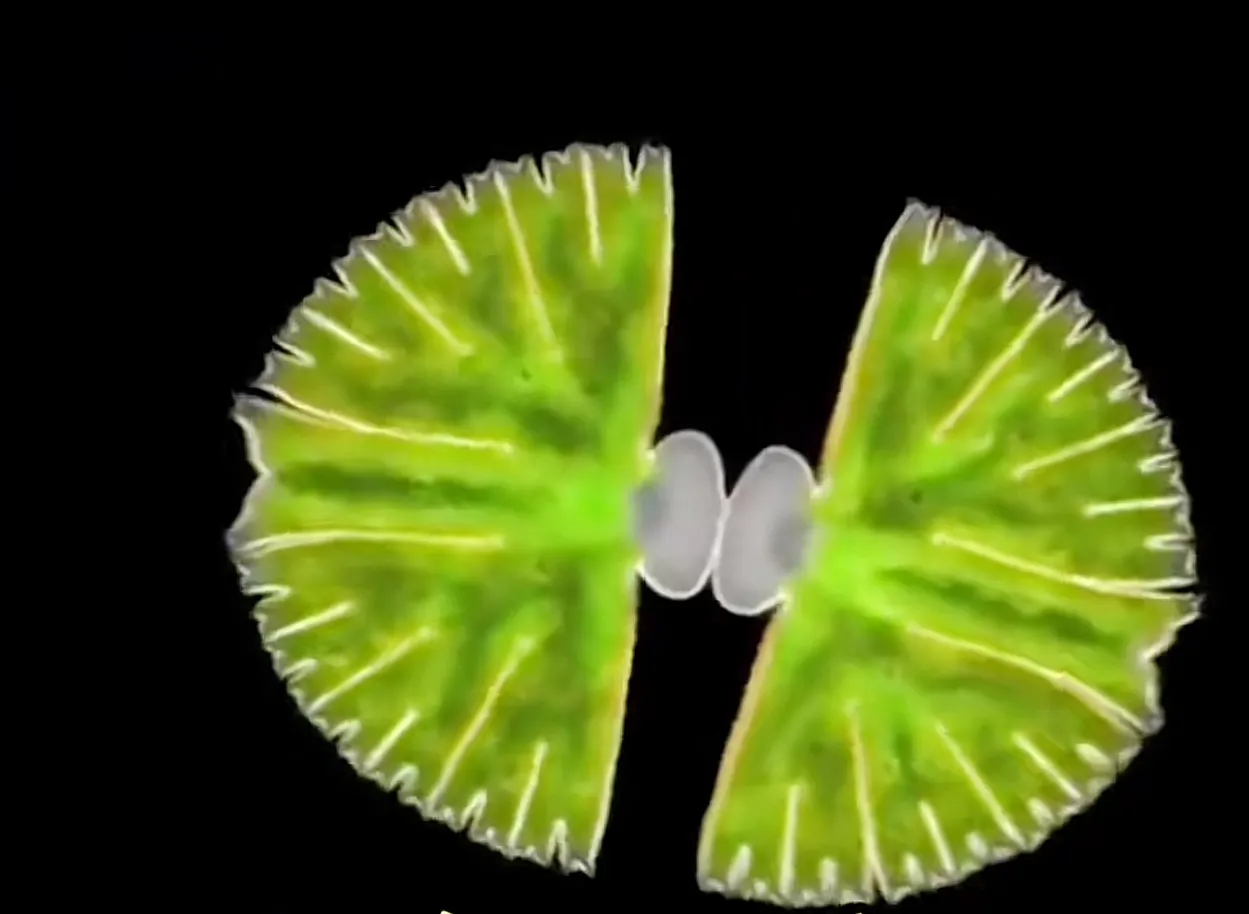
In that microscopic world, there is hidden a kind of magical and glittering “pearl” – the Cosmarium micraster. It is a single-celled organism. Under the microscope, its cellular morp […]…
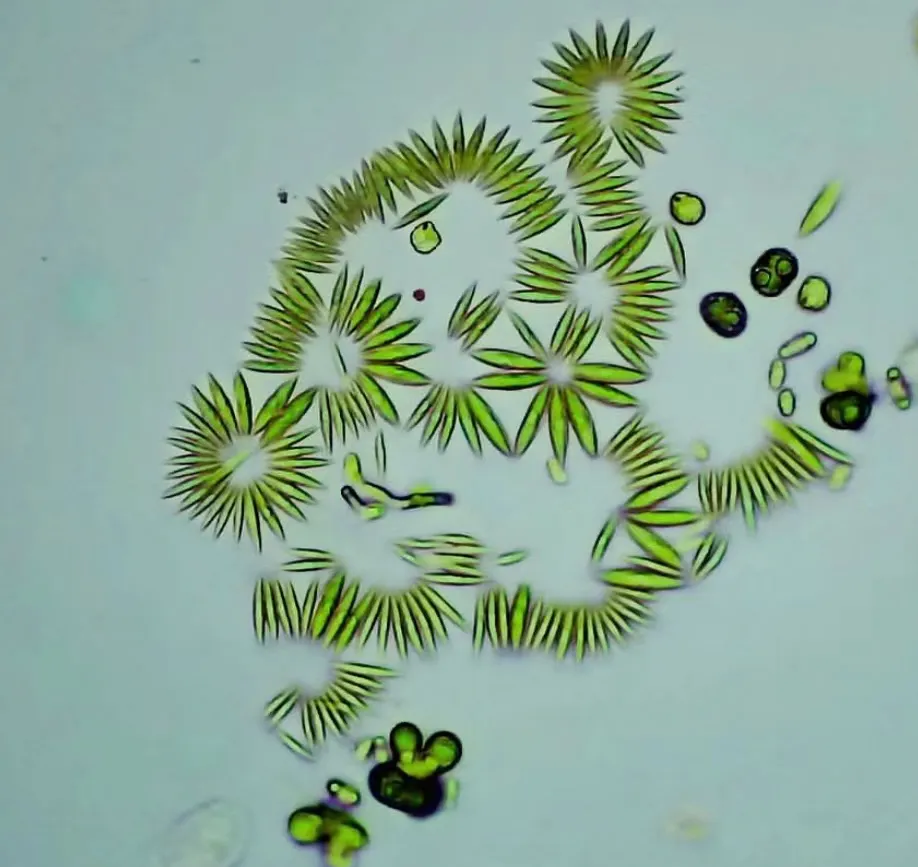
Through an optical microscope, you will find patches of green algal mats, just as beautiful as emeralds in the water, and this “green gem in the algae” is what scientists call Scenedesmus. […]…
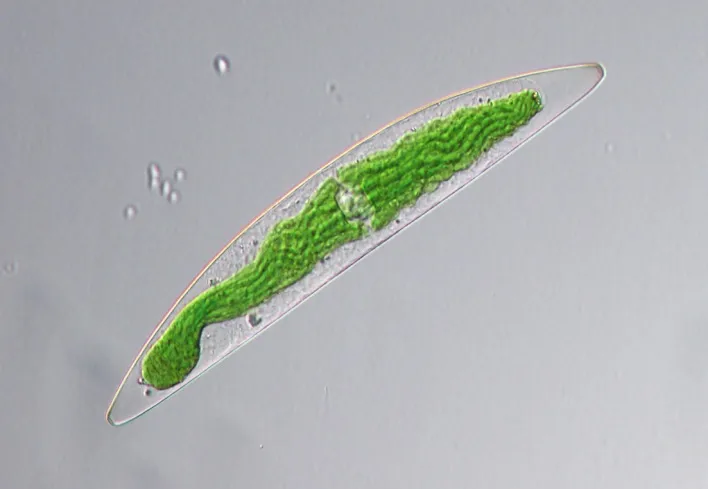
In that vast and boundless world, there is a quiet and magical water area. Here, the double moons accompany each other, presenting a fascinating and enchanting wonder. One is the high-hanging bright a […]…
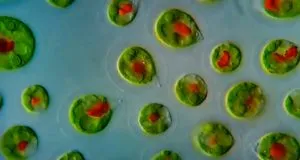
Under the microscope, its shape is like an exquisite microscopic art piece. Upon careful observation, the algal body presents a round and plump posture, as if it were a masterpiece sketched by nature […]…
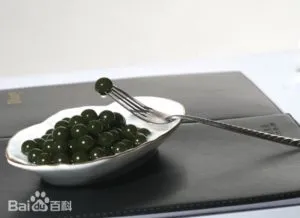
In the world of microalgae, there is a unique and precious kind of algae that is visible to the naked eye. The individuals are spherical in shape and more obvious when aggregated in clusters, either b […]…
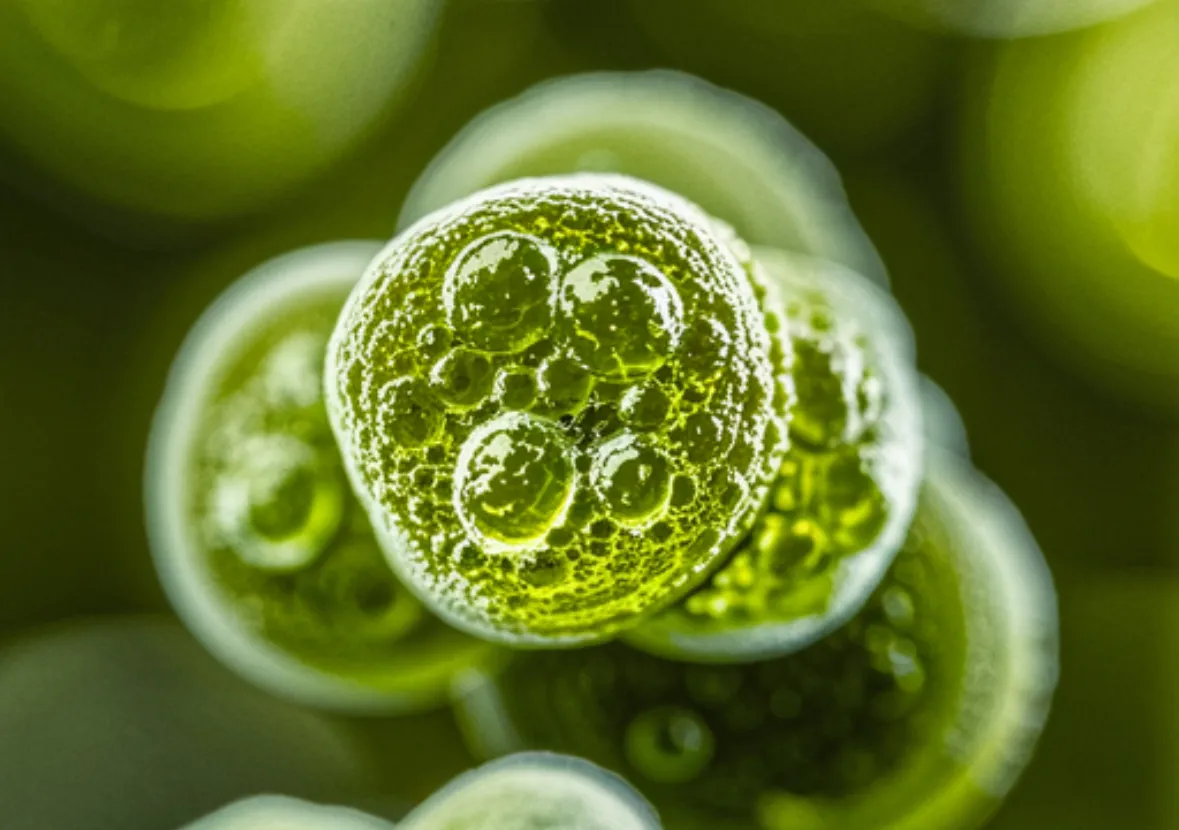
When it comes to astaxanthin, people involuntarily think of Haematococcus pluvialis, which is often regarded as the main algae species rich in a large amount of astaxanthin, and its astaxanthin conten […]…
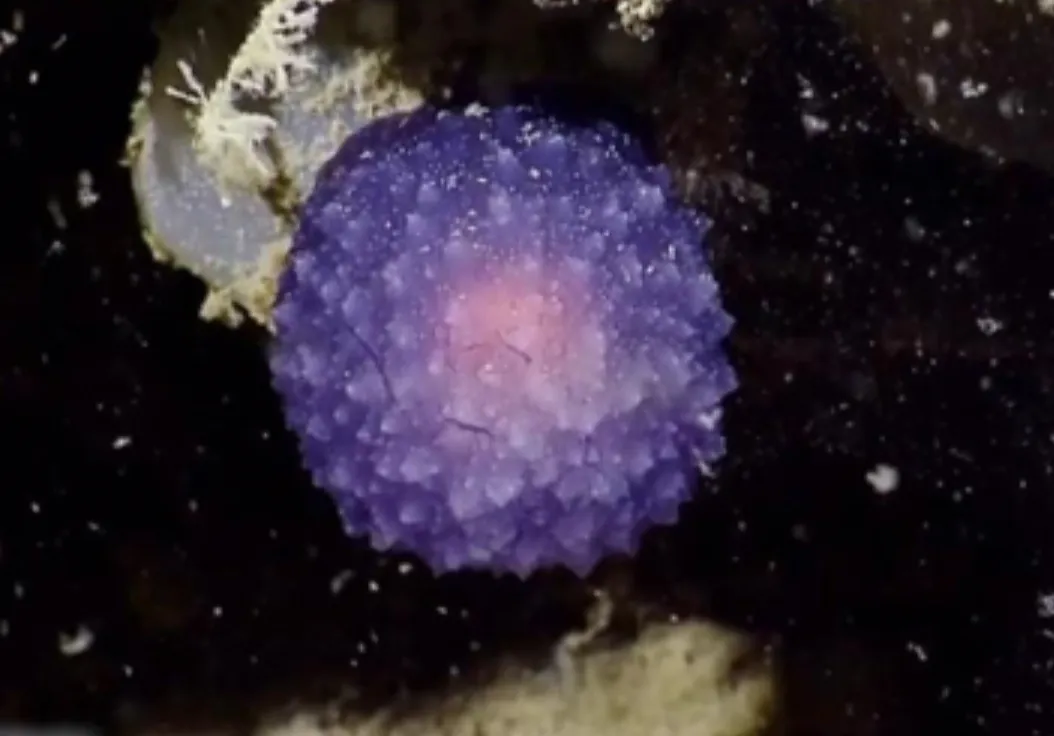
The algal species known as the “red treasure” by scientists can be found in seawater, fresh water and moist soil, and that is the purple spherical algae. In terms of morphology, purple sph […]…

There is a beautiful mythological story about noctiluca scintillans. A long, long time ago, there lived a mysterious creature in the oceans on the earth, and they were called noctiluca scintillans. No […]…
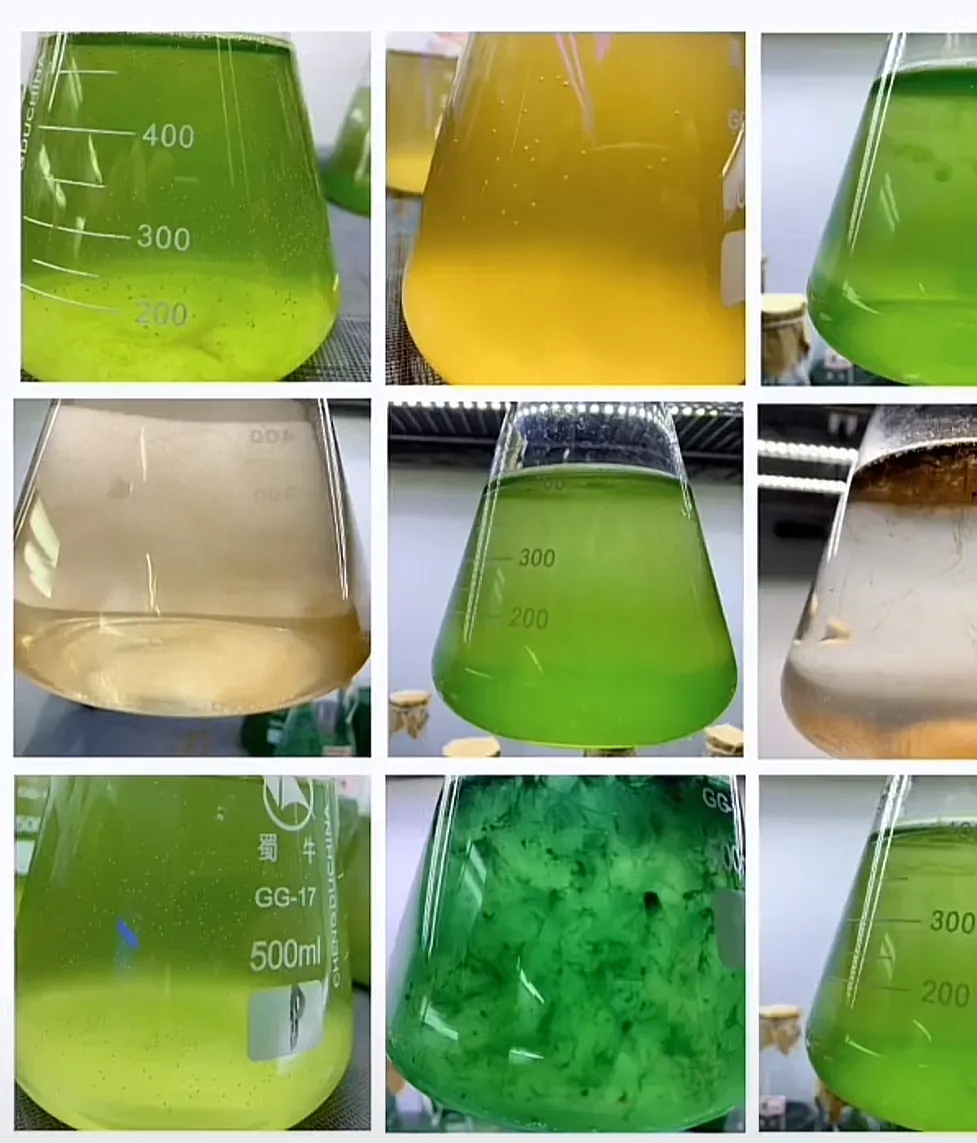
In that mysterious and vast nature, microalgae are like glittering pearls, emitting unique charm. And their diverse shapes are becoming a remarkable source of inspiration in the field of design. The a […]…
The photosynthetic diatom Cyclotella sp. extrudes chitin nanofibers following cell division. This diatom requires silicon for cell wall biosynthesis and division, as well as nitrogen for biosynthesis […]…