• (+86)21 80399582-801
  • Emergency Industrial Park,Wenzhou, Zhejiang , CN
  • tech.sales@leadingtec.cn

Category: Photobioreactor Products

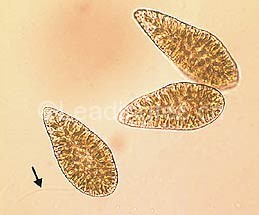
High temperature enhances lipid accumulation in nitrogen-deprived Scenedesmus obtusus XJ-15

GY-D13 Scendesmus obliquus

This study investigated the changes in lipid and starch contents, lipid fraction, and lipid profile in the nitrogen-starved Scenedesmus obtusus XJ-15 at different temperatures (17, 25, and 33 °C). The optimal temperature for both growth and lipid accumulation under nitrogen-sufficient condition was found to be 25 °C. However, under nitrogen deprivation, the total and neutral lipids increased with increasing temperature, and achieved the highest lipid content of 47.60 % of dry cell weight and the highest TAG content of 79.66 % of total lipid…

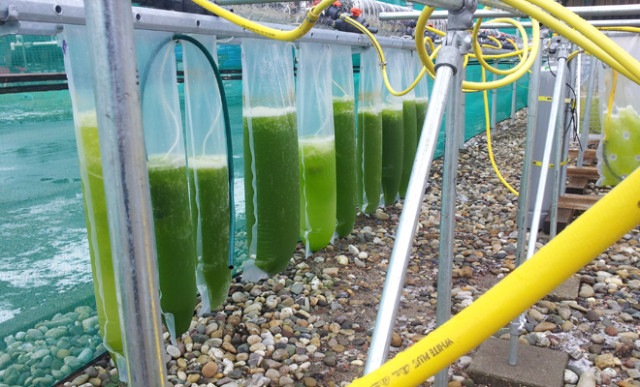
Outdoor production of Tisochrysis lutea in pilot-scale tubular photobioreactors

Photobioreactor

In this paper we study the outdoor production of Tisochrysis lutea in pilot-scale tubular photobioreactors (3.0 m3). Experiments were performed modifying the dilution rate and evaluating biomass productivity and quality, in addition to the overall performance of the system. Results confirm that T. lutea can be produced outdoors on a commercial scale in continuous mode, obtaining productivities of up to 20 g m−2 day−1 of biomass, which are rich in proteins (45 % d.wt.) and lipids (25 % d.wt.). The utilization of this type of photobioreactor allows one…

Algae used as roofing material

algae used as roofing material

An experiment to test the use of algae in bitumen production has proved successful in multiple ways. The tests, recently completed in Groningen (NL), show that algae can be grown in the waste-stream of a bitumen factory, which consumes CO2. The test went further, demonstrating that these algae can then be used in the production of bitumen for roofing and other purposes. The algae are grown using the gases from oil heaters. Warmed by these machines, they consume the CO2…

Development of phycology in Malaysia

Haematococcus Pluvialis

Phycological research in Malaysia started in the 1900s with the documentation of both freshwater and marine microalgae and seaweeds, especially those with economic importance. Phycological research has grown and matured from initial diversity and ecological studies to DNA-based research which allowed us to venture into the world of algal biotechnology with focus on phylogenetics, genomics and strain improvement. Our research has expanded towards finding solutions to the declining food and fuel resources to be relevant in today’s world of energy…

Effect of biodegradable chelating ligands on Fe uptake in and growth of marine microalgae

Chattonella marina

Iron (Fe) is an important nutrient for phytoplankton. The low solubility of Fe in oxic waters can be a growth-limiting factor for phytoplankton. Synthetic aminopolycarboxylates (APCs) such as ethylenediaminetetraacetic acid (EDTA) and diethylenetriaminepentaacetic acid (DTPA) are widely used as Fe complexing agents for microalgae culture. However, the presence of these non-ready biodegradable APCSin aquatic systems may have serious environmental consequences. In the present study, the effects of biodegradable chelating ligands (hydroxyiminodisuccinic acid (HIDS), methylglycinediacetic acid (MGDA), and iminodisuccinate (IDS)) on…

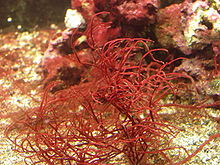
In vitro inhibitory effect of sulfated galactans isolated from red alga Gracilaria fisheri on melanogenesis in B16F10 melanoma cells

Gracilaria

Hyperpigmentation of the skin results from excessive melanin formation in melanocytes, and overproduction of melanin frequently leads to melanoma. The aim of this study was to investigate the potential of sulfated galactans (SG) from Gracilaria fisheri to inhibit melanin formation or melanogenesis. Cellular and molecular mechanisms of inhibition were also investigated. SG was evaluated in vitro for its inhibitory effect on mushroom tyrosinase activity, cell-free tyrosinase activity, and cellular tyrosinase activity. B16F10 mouse melanoma cells were cultured with SG and…

An efficient method for the sequential production of lipid and carotenoids from the Chlorella Growth Factor-extracted biomass of Chlorella vulgaris

chlorella sp.

Efficient methodology for simultaneous extraction of multiple bioactive compounds from microalgae still remains a major challenge. The present study provides a method for the sequential production of three major products: Chlorella Growth Factor (CGF, a nucleotide-peptide complex enriched with vitamins, minerals, and carbohydrates), lipid, and carotenoids from Chlorella vulgaris biomass in an economically feasible manner. After protein-rich CGF was extracted, the spent biomass was found to contain 12% lipid and 3% carotenoids when extracted individually, compared to that of the…

Microalgal bio-based plastic products, do you understand?

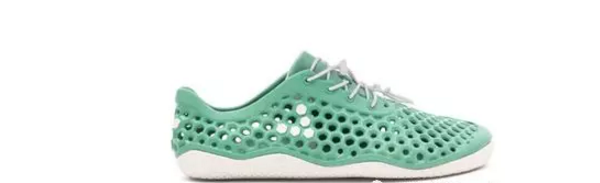
“The reduction of carbon dioxide emissions and the use of renewable resources are common topics that the world is advocating. Bio-based plastics come from biological resources, can reduce the use of oil, have the advantages of low-carbon, environmental protection, and environmental friendliness. It seems that “universal” Where micro-algae have their presence, micro-algae-based bio-plastics and their products have also come out.” 1 Bioplastic mixed with microalgae and resin In 2017, the British company VivoBareFoot (a footwear manufacturer) and BLOOM (a manufacturer…

Harvesting Neochloris oleoabundans using commercial organic flocculants

Graphical abstract

Microalgal cultures are inherently dilute, and increasing their concentration is essential for volume reduction and further processing. Flocculation is a classical operation in water treatment that is also used as a concentration step in microalgal biotechnology. However, flocculation is highly dependent on the physicochemical characteristics of the system, such as cell charge and concentration, pH, and solutes in the system, and the coagulant or flocculant to be used. This paper describes the efficiency of nine flocculating agents applied to Neochloris…

Protective effects of astaxanthin on a combination of D-‍galactose and jet lag-induced aging model in mice

Haematococcus Pluvialis

Oxidative stress caused free radical and mitochondrial damage plays a critical role in the progression of aging and age-related damage at the cellular and tissue levels. Antioxidant supplementation has received growing attention and the effects of antioxidant on aging are increasingly assessed in both animal and human studies. However, additional and more promising treatments that contribute to the expansion of anti-aging therapies are needed. Astaxanthin, a super antioxidant carotenoid and free radical scavenger, inhibits lipid peroxidation more potently than vitamin…