• (+86)21 80399582-801
  • Emergency Industrial Park,Wenzhou, Zhejiang , CN
  • tech.sales@leadingtec.cn

Category: 未分类

Ascophyllum nodosum-based algal extracts act as enhancers of growth, fruit quality, and adaptation to stress in salinized tomato plants

Ascophyllum nodosum

Seaweed extracts (SWE) are widely used to improve plant growth, fruit quality, and stress tolerance. However, the functional link between the complex composition of algal-based products and their mechanisms of action has been only marginally addressed. A greenhouse experiment was performed on Microtom tomato plants in order to evaluate the effect of two Ascophyllum nodosum-based algal derivatives, Rygex (R) and Super Fifty (SF), on a tomato exposed to salinity (0, 42.5, and 85 mM NaCl) and normal and reduced nutrient availability…

Response of Tisochrysis lutea [Prymnesiophycidae] to aeration conditions in a bench-scale photobioreactor

PBR--Guangyu company

The effects of superficial gas velocity (Ugr), gas entrance velocity (ν), and bubble size on the growth of Tisochrysis lutea was investigated in 600-mL photobioreactors operated with airlift pumps. Superficial gas velocities, calculated from measured air flow rates, ranging from 7 to 93 mm s−1 were created using a 1.6-mm diameter syringe. We tested the effects of sparger velocity over a range of 2.48 to 73.4 m s−1 and the effects of bubble size by using two styles of air stones and an open…

Use of microalgae to recycle nutrients in aqueous phase derived from hydrothermal liquefaction process

Microalgae By Hydrothermal Liquefaction

Hydrothermal liquefaction (HTL) of microalgae biomass generates an aqueous phase (AP) byproduct with limited energy value. Recycling the AP solution as a source of nutrients for microalgae cultivation provides an opportunity for a cost-effective production of HTL based biofuel and algal biomass feedstock for HTL, allowing a closed-loop biofuel production in microalgae HTL biofuel system. This paper aims to provide a comprehensive overview of characteristics of AP and its nutrients recycling for algae production. Inhibitory effects resulted from the toxic…

Microalgal bio-based plastic products, do you understand?

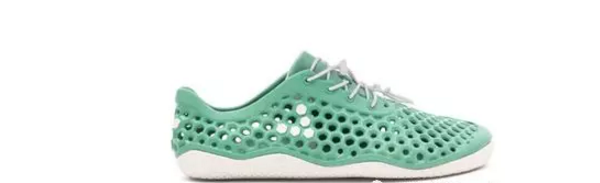
“The reduction of carbon dioxide emissions and the use of renewable resources are common topics that the world is advocating. Bio-based plastics come from biological resources, can reduce the use of oil, have the advantages of low-carbon, environmental protection, and environmental friendliness. It seems that “universal” Where micro-algae have their presence, micro-algae-based bio-plastics and their products have also come out.” 1 Bioplastic mixed with microalgae and resin In 2017, the British company VivoBareFoot (a footwear manufacturer) and BLOOM (a manufacturer…

Microalgae Aquatic (Animal) Vaccines Coming Soon

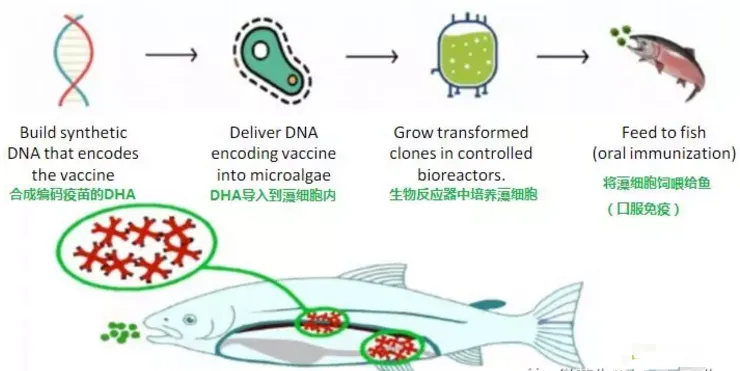
In recent years, the aquatic industry has suffered from the frequent occurrence of aquatic animal diseases, which has caused huge economic losses to aquaculture enterprises and farmers each year. Aquatic animal vaccines have the characteristics of immune disease, safety, high efficiency, and no pollution (compared with antibiotics) and undoubtedly it’s the first choice for control of aquatic animal diseases. British MicroSynbiotiX company is developing a fish oral vaccine. The researchers introduced the synthetic DNA encoding the vaccine into the microalgae…

Harvesting Neochloris oleoabundans using commercial organic flocculants

Graphical abstract

Microalgal cultures are inherently dilute, and increasing their concentration is essential for volume reduction and further processing. Flocculation is a classical operation in water treatment that is also used as a concentration step in microalgal biotechnology. However, flocculation is highly dependent on the physicochemical characteristics of the system, such as cell charge and concentration, pH, and solutes in the system, and the coagulant or flocculant to be used. This paper describes the efficiency of nine flocculating agents applied to Neochloris…

Protective effects of astaxanthin on a combination of D-‍galactose and jet lag-induced aging model in mice

Haematococcus Pluvialis

Oxidative stress caused free radical and mitochondrial damage plays a critical role in the progression of aging and age-related damage at the cellular and tissue levels. Antioxidant supplementation has received growing attention and the effects of antioxidant on aging are increasingly assessed in both animal and human studies. However, additional and more promising treatments that contribute to the expansion of anti-aging therapies are needed. Astaxanthin, a super antioxidant carotenoid and free radical scavenger, inhibits lipid peroxidation more potently than vitamin…

Arthrospira (Spirulina) platensis supplementation affects folliculogenesis, progesterone and ghrelin levels in fattening pre-pubertal gilts

Spirulina platensis

The aim of the present investigation was to study the effect of Arthrospira (Spirulina) platensis supplemented diet on follicular development and related endocrine parameters, such as estradiol and progesterone levels as well as ghrelin levels in pre-pubertal gilts. Twenty-one 60-day-old Danube White gilts, randomly divided in three groups—control and two experimental—were involved in the experiment. The diet of experimental animals was supplemented with 2 and 3 g of dry biomass/capita daily of the micro alga A. platensis (SP), respectively, during 120 days.…

Evaluation of green seaweed Ulva sp. as a replacement of fish meal in plant-based practical diets for Pacific white shrimp, Litopenaeus vannamei

Ulva

A growth trial and a digestibility trial were conducted to evaluate seaweed Ulva sp. as a substitution for fish meal (FM) in commercial-type feed formulation for Pacific white shrimp, Litopenaeus vannamei. Towards this goal, the 6-week growth trial utilized increasing levels (0, 6.35, 12.7, 19.05, and 25.4%) of the first batch of Ulva meal (UM1) to replace up to 8% FM in a plant-based feed formulation. At the end of the growth trial, shrimp offered diets containing 12.7, 19.05, and…

The potential of fucoidans from Chnoospora minima and Sargassum polycystum in cosmetics: antioxidant, anti-inflammatory, skin-whitening, and antiwrinkle activities

Sargassum

Over the years, bioactive and biocompatible natural products have received increased attention as ingredients of cosmeceutical formulations owing to their robust properties compared to many of the synthetic chemicals in use. Many natural products derived from algae have shown promising cosmetizing properties. Seaweed polysaccharides, in particular, have received increased attention for their biofunctional and physicochemical characteristics. This study aimed to design a cost-effective strategy to purify fucoidans from the untapped brown algae Chnoospora minima (CMF) and Sargassum polycystum (SPF) harvested…