

Shanghai Guangyu Biological Technology Co., Ltd. supplies Nitzschia closterium f. minutissima (GY-H8) algae strains, culture media and related cultivation technology, as well as 1 L–5000 L photobioreactor culture equipment with temperature display, pH display, light intensity display, heating, water pump, air pump, auto-dimming LED light source and other algae culture accessories. You are welcome to contact us.
Culture medium:F/2
Guangyu Biotech also suppliesculture-media nutrients for large-scale microalgae cultivation.
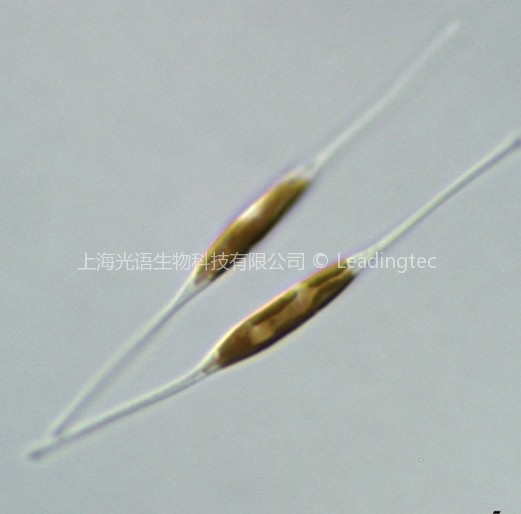
Classification
Belongs to the Bacillariophyta, class Bacillariophyceae (pinnate diatoms) Surirellales (Surirellales) Nitzschiaceae(Nitzschiaceae), genus Nitzschia
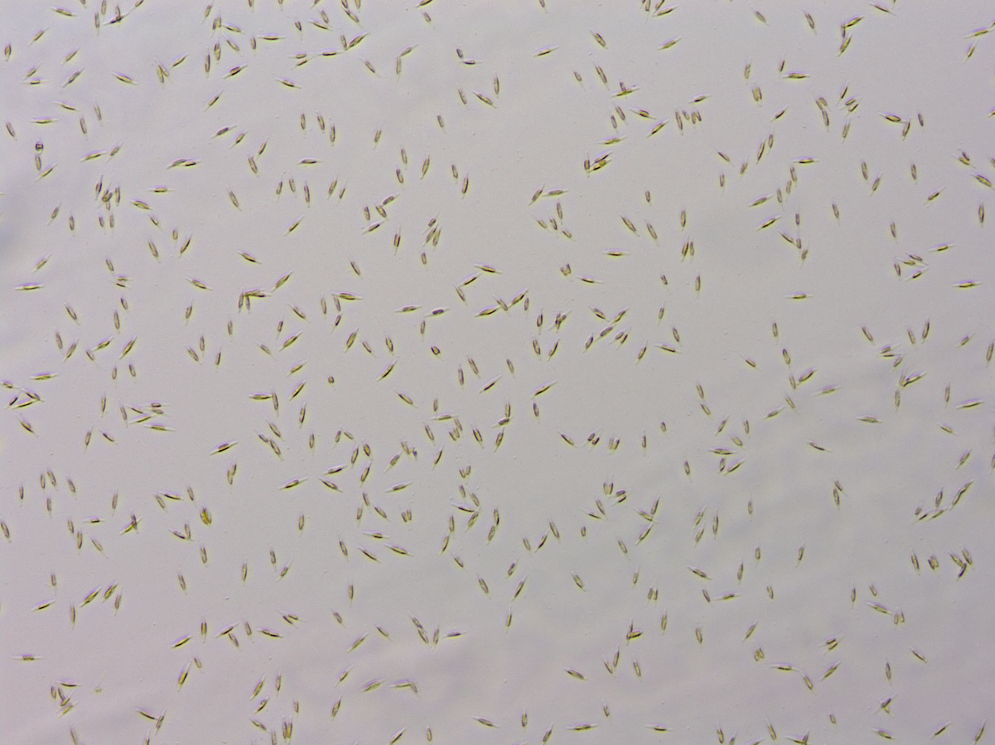
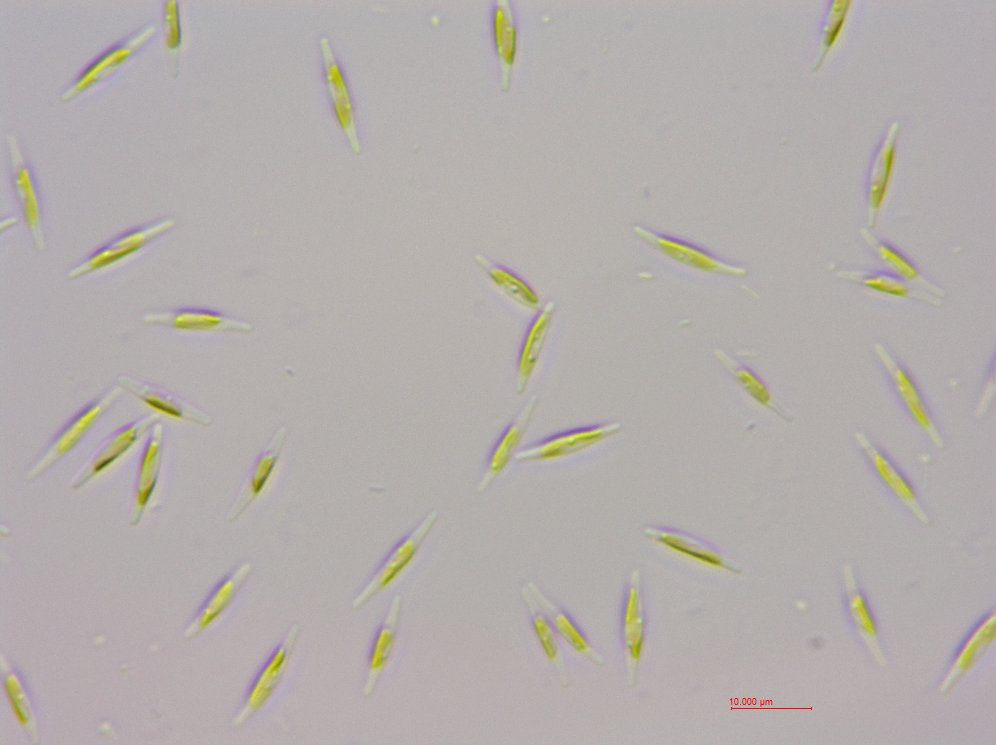
Culture Methods
Reproduction is mainly by longitudinal fission. The suitable temperature range for growth is 5–28 °C, with an optimum of 15–20 °C. Above 28 °C, cells stop growing and eventually die in large numbers. The species is euryhaline and can grow at salinities of 18–61.5, with an optimum of 25–32. The optimum light intensity is 60–160 μmol/(m²·s); direct sunlight should be avoided in small-scale culture. The suitable pH range is 7–10, with an optimum of 7.5–8.5.
Light 3,000–8,000 lx, pH 7.5–8.5, silicified f/2 formula
Applications and economic significance
- aquaculture: A high-quality feed for the larvae of shellfish (such as oysters and scallops) and shrimp.
- Research uses: Often used in diatom physiology and ecotoxicology (e.g. heavy-metal pollution monitoring).
- Biotechnology: A potential bioenergy feedstock (because it is rich in lipids)
Product Forms
- Strain on solid medium in test tubes (can be shipped by express courier)
- Liquid strain culture (100 ml – 5 L packages)
- Large-volume algae culture (over 5 L, shipped by freight)


Reviews
There are no reviews yet.