Shanghai Guangyu Biotechnology Co., Ltd. supplies zooxanthellae (Zooxanthella; Dinophycae Symbiodinium) algae strains, culture media and related cultivation technology, as well as 1 L–5000 L photobioreactor culture equipment with temperature display, pH display, light intensity display, heating, water pump, air pump, auto-dimming LED light source and other algae culture accessories. You are welcome to contact us.
Symbiodinium (zooxanthellae) (Zooxanthella; Dinophycae Symbiodinium) is a type of marine alga — a golden-yellow intercellular symbiont found in many marine animals and protozoa, especially anthozoans such as stony corals and tropical sea anemones. It is estimated that there are about 30,000 zooxanthellae per mm³ of coral tissue, living in mutualism with the coral polyps. Most are autotrophs and supply the host with translocated reduced carbon compounds — the products of photosynthesis, such as glucose, glycerol and amino acids. Zooxanthellae can provide up to 90% of a coral reef’s energy requirements. In return, the coral provides protection, a habitat, nutrients (mainly nitrogen- and phosphorus-containing wastes) and a constant supply of carbon dioxide for photosynthesis. By regulating nutrients, light and the expulsion of excess cells, the coral can control the number of zooxanthellae and prevent overgrowth. Zooxanthellae also live in other protozoa (for example foraminiferans and radiolarians) and in some invertebrates.
Reef-building corals depend heavily on zooxanthellae, which confines the corals to growth within the photic zone.
Source: Isolated in May 2014 from Zhoushan waters, East China Sea
Isolation method:Crush the coral and then rinse to separate; separation is difficult but the cells are vigorous
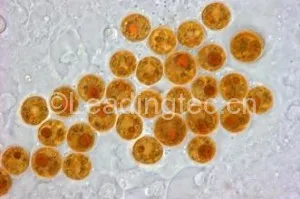
Dinophycae Symbiodinium Symbiodinium (zooxanthellae)
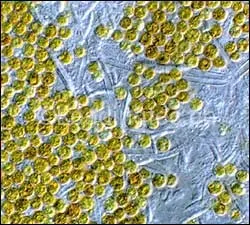
Symbiodinium (zooxanthellae) Dinophycae Symbiodinium
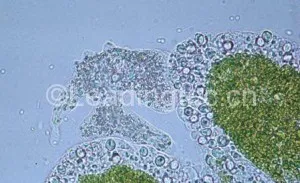
Zooxanthella Symbiodinium (zooxanthellae)



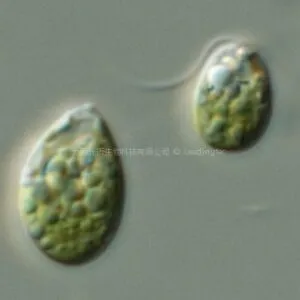

Reviews
There are no reviews yet.